

Everything You Need to Know About Exploring Elephanta Caves
Mumbai is often called the “City of Dreams,” known for its bustling streets, colonial architecture, and iconic landmarks. But just a short boat ride away lies a world steeped in history and mystery—the Elephanta Caves. Recognized as a UNESCO World Heritage Site, these rock-cut caves on Elephanta Island offer a fascinating glimpse into India’s ancient art, spirituality, and culture. Whether you’re a history lover, a photography enthusiast, or simply looking for a unique day trip from Mumbai, Elephanta Caves should be high on your list.
A Glimpse Into History
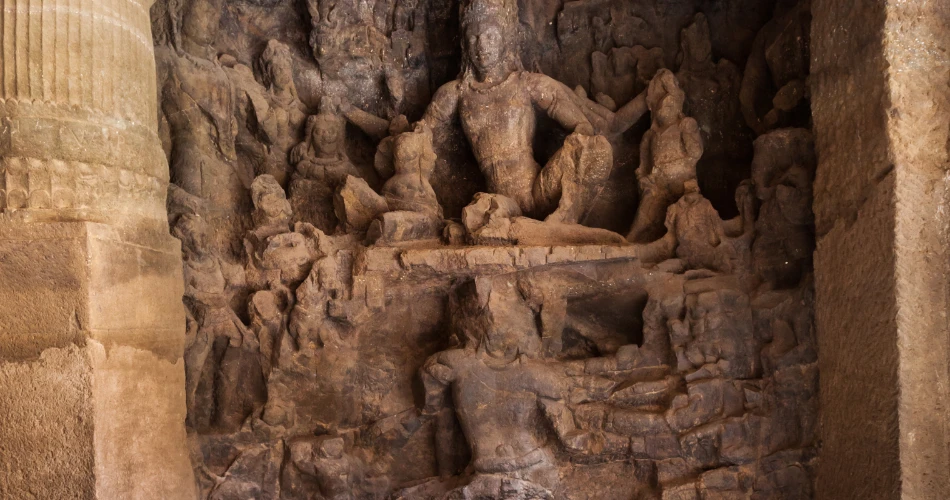
The Elephanta Caves date back to between the 5th and 7th centuries, though their exact origins remain debated. Dedicated primarily to Lord Shiva, the caves showcase some of the most impressive rock-cut sculptures in India. The most famous among them is the Trimurti sculpture, a colossal three-headed depiction of Shiva symbolizing creation, protection, and destruction.
The name “Elephanta” was given by the Portuguese after they discovered a massive stone elephant on the island. While the statue has since been moved to Mumbai’s Jijamata Udyan Zoo, the name has remained. Today, the caves stand as a symbol of India’s rich artistic and cultural heritage.
How to Reach Elephanta Caves
The journey to Elephanta Caves is an adventure in itself.
-
Ferry Ride: The only way to reach Elephanta Island is by ferry from the Gateway of India. The boat ride takes about 60 minutes and offers panoramic views of the Mumbai skyline and the Arabian Sea.
-
Timings: Ferries usually start around 9:00 AM and run until 2:00 PM, with the last return ferry leaving by 5:30–6:00 PM.
-
Tickets: Return ferry tickets cost approximately ₹250–₹300 for adults. Deluxe boats with upper decks are slightly pricier but offer better views.
Tip: Try catching an early ferry to avoid crowds and enjoy cooler weather.

Entry Fees and Timings
-
Entry Fee (for Elephanta Caves):
-
Indian Citizens: ₹40
-
Foreign Tourists: ₹600
-
-
Timings: Open from 9:00 AM to 5:00 PM (closed on Mondays).
-
Best Time to Visit: November to February, when the weather is pleasant. Avoid the monsoon season (June–September) as ferry services may be disrupted.
Exploring the Caves
The site is divided into two groups: the Western group (mainly Hindu caves) and the Eastern group (smaller Buddhist caves).
-
Cave 1 (Main Shiva Cave):
-
The largest and most significant cave.
-
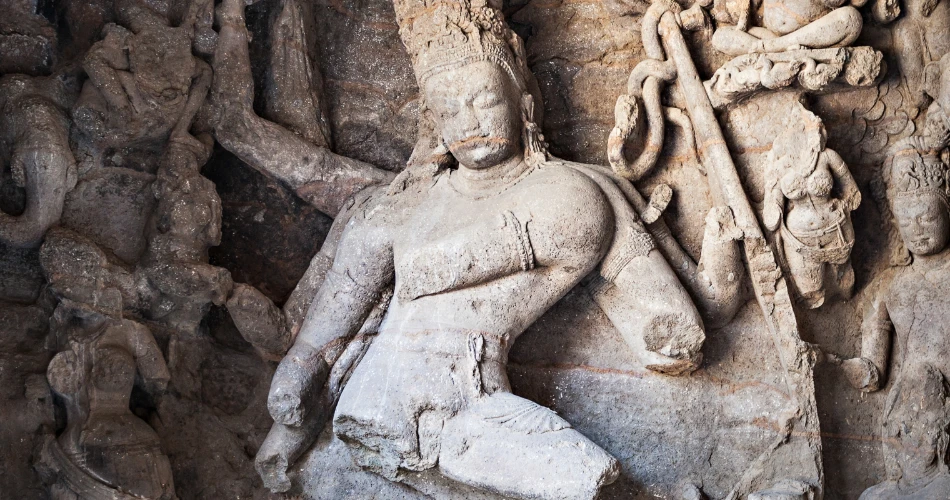
Houses the Trimurti and several depictions of Shiva, including Nataraja (Lord of Dance) and Ardhanarishvara (half-male, half-female form).
-
The craftsmanship is breathtaking, with detailed carvings that have stood the test of time.
-
-
Other Caves:
-
Smaller caves include simple shrines and monasteries reflecting both Hindu and Buddhist influences.
-
While less elaborate, they add depth to the historical and cultural experience.
-
-
The Island Experience:
-
A toy train runs from the jetty to the base of the caves for a nominal fee.
-
Expect a short uphill walk with stairs, lined with local stalls selling souvenirs, handicrafts, and snacks.
-
Conclusion
The Elephanta Caves in Mumbai are more than just stone carvings—they are timeless storytellers of India’s past. With their awe-inspiring sculptures, tranquil island setting, and cultural depth, they promise an experience that lingers long after your visit. From the boat ride across the Arabian Sea to standing before the monumental Trimurti, every step of this journey is memorable.
So, the next time you’re in Mumbai, don’t just stay within the city limits—take a ferry across the waters and discover the wonders of Elephanta Island.